










8 min read Top Mistakes New Freelancers Make and How to Avoid Them
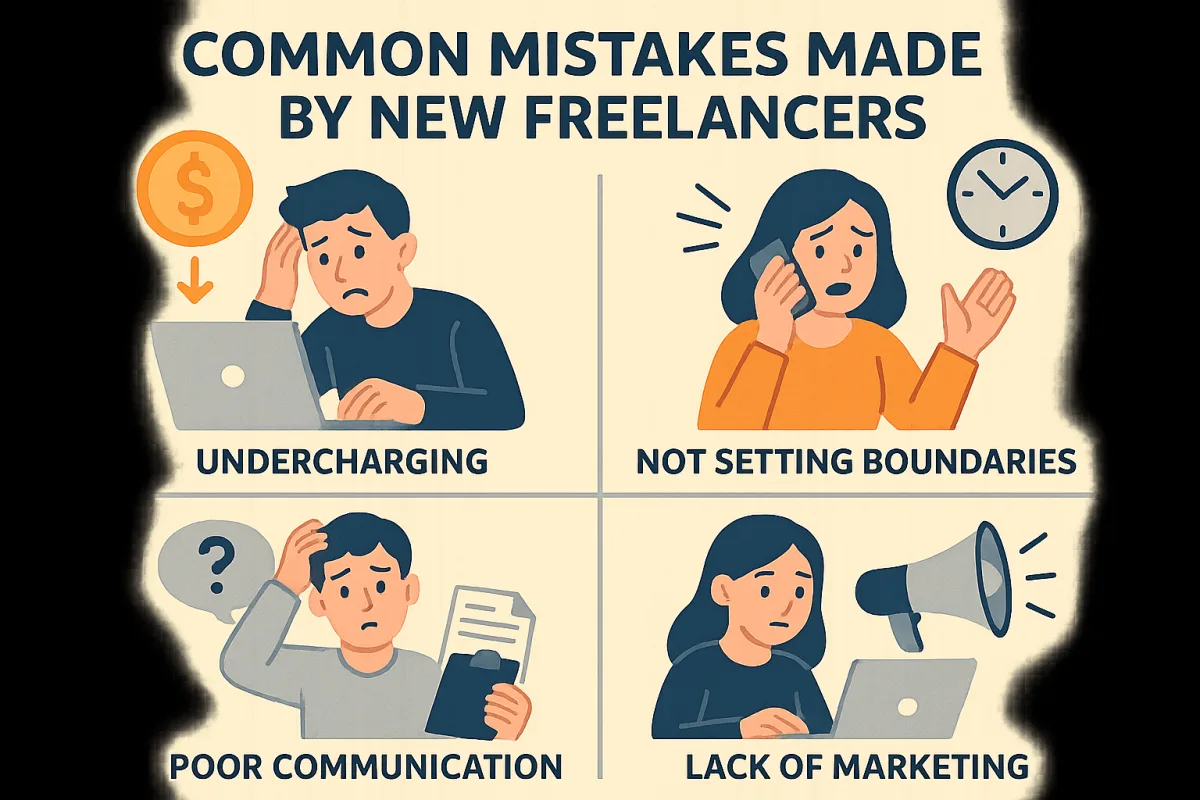
One of the most common challenges freelancers face is navigating the top mistakes new freelancers make. Understanding these pitfalls can save you time, money, and stress as you embark on your freelance journey.
First on the list is underpricing services. Many new freelancers feel the need to charge less to attract clients, but this can lead to burnout and resentment over time. Research your industry rates and set a price that reflects your skills and experience.
Another frequent mistake is neglecting contracts. Every project should have a clear agreement to protect both you and your client. A simple contract outlines the scope of work, payment terms, and deadlines, ensuring that everyone is on the same page.
Additionally, many freelancers fail to maintain a consistent marketing strategy. Relying solely on word-of-mouth can limit your opportunities, so invest time in building a strong online presence and networking within your industry.
Introduction to Freelancing Mistakes
Freelancing offers a unique blend of flexibility and independence, but it also comes with its own set of challenges. New freelancers often find themselves navigating a landscape filled with potential pitfalls that can hinder their success. Understanding these common mistakes is crucial for anyone looking to establish a thriving freelance career.
One of the main reasons freelancers struggle is due to a lack of awareness about the mistakes they may encounter. By recognizing these missteps early on, you can take proactive measures to avoid setbacks that could derail your business. For instance, research shows that approximately 70% of new freelancers fail within their first year due to poor planning and mismanagement of their time and finances.
Common Pitfalls to Avoid
A few of the most common pitfalls include:
- Underpricing your services: Many new freelancers underestimate their worth and set their rates too low, which can lead to burnout and financial instability.
- Neglecting contracts: Failing to use contracts can result in misunderstandings about project scope, payment terms, and deadlines.
- Ignoring marketing: New freelancers often overlook the importance of marketing themselves, which is essential for attracting clients and growing their business.
By being aware of these issues, you can set yourself up for success and navigate the freelance world more effectively.
Top Mistakes New Freelancers Make
Entering the freelancing world can be exhilarating, but new freelancers often stumble over common pitfalls that can hinder their success. Understanding these mistakes is the first step toward building a sustainable career.
Underpricing Their Services
One of the most prevalent mistakes is underpricing services. Many freelancers, eager to land their first clients, set their rates too low. This not only results in burnout but also devalues the work of all freelancers. For instance, if a graphic designer charges $15 per hour, they risk exhausting themselves, especially if they have to complete multiple projects to make ends meet. Instead, research industry standards and consider starting at a competitive rate of $30-$50 per hour to reflect your skills and ensure profitability.
- Research rates in your niche.
- Consider your experience and expertise.
- Factor in your expenses and desired income.
Another significant mistake is failing to create a solid portfolio. Without showcasing your work, potential clients may overlook you. Aim to include at least three high-quality examples of your best work, along with clear descriptions of your role in each project.
Lastly, neglecting contracts can lead to scope creep and payment issues. Always draft a contract outlining project details, deadlines, and payment terms to protect yourself and establish clear expectations with clients.
Lack of Time Management Skills
Many new freelancers struggle with time management, which can significantly impact their success. Poor time management can lead to missed deadlines, unfulfilled client expectations, and ultimately, lost income. To avoid these pitfalls, it’s essential to understand how to manage your time effectively.
Setting Realistic Goals
One of the first steps in improving time management is setting realistic goals. Break down your projects into manageable tasks and assign deadlines to each. For instance, if you have a project due in two weeks, create a timeline that includes daily or weekly objectives. This not only helps in tracking progress but also keeps you motivated.
- Identify all tasks needed for completion.
- Estimate the time required for each task.
- Prioritize tasks based on urgency and importance.
Using time management tools can also enhance your productivity. Consider using apps like Trello or Asana to organize tasks visually. Additionally, the Pomodoro Technique, which involves working in 25-minute intervals followed by short breaks, can help maintain focus and prevent burnout.
Ultimately, mastering time management is a skill that takes practice. By setting realistic goals and utilizing effective tools, freelancers can improve their workflow and maintain client satisfaction. For those looking for freelance opportunities, check out ….
Ignoring Marketing and Networking
One of the most significant mistakes new freelancers make is neglecting marketing and networking. Many believe that simply having a skill is enough to attract clients, but this is far from the truth. To stand out in a competitive market, freelancers must actively promote their services.
Building Your Brand
Establishing a personal brand is crucial. This involves creating a consistent online presence that showcases your work and expertise. Consider the following steps:
- Create a Professional Website: A well-designed website serves as a portfolio and a point of contact. Aim for at least three sample projects that highlight your skills.
- Utilize Social Media: Platforms like LinkedIn, Instagram, and Twitter can expand your reach. Post regularly—aim for at least three times a week—and engage with your audience.
- Attend Networking Events: Local meetups, workshops, and conferences are excellent opportunities to connect with potential clients. Try to attend at least one event per month.
Networking can lead to referrals and repeat clients, which are invaluable for building a sustainable freelance career. By fostering relationships with fellow freelancers, you can also access collaborative opportunities and support.
In summary, investing time in marketing and networking can significantly increase your chances of success as a freelancer. Don't underestimate the power of visibility and connections in your journey.
Not Understanding Client Needs
One of the most common pitfalls new freelancers encounter is failing to fully grasp their client's needs. Miscommunication can lead to unsatisfied clients and ultimately, lost contracts. A study by the Freelancers Union found that 50% of freelancers reported losing a project due to misunderstandings around client expectations.
The Importance of Clarifying Questions
To avoid this mistake, it's crucial to ask clarifying questions during the initial stages of a project. Here are some steps to ensure you are on the right track:
- Identify key project objectives: Understand what the client aims to achieve.
- Discuss specific deliverables: Clarify what formats or outputs the client expects.
- Establish timelines: Confirm deadlines and how they align with your availability.
- Inquire about budget constraints: This helps to tailor your services accordingly.
Regular updates throughout the project can also help manage client expectations. Schedule check-ins at key milestones, such as after the first draft or upon completion of significant sections. This not only keeps the client informed but also allows for adjustments based on their feedback, ensuring the final outcome meets their vision.
Failing to Set Boundaries
One of the most common mistakes that new freelancers make is failing to set clear boundaries between their work and personal life. Without defined work hours, it’s easy to fall into the trap of working late into the night or during weekends. This not only leads to burnout but also diminishes overall productivity. For instance, studies show that individuals who work more than 50 hours a week experience a significant drop in performance and creativity.
The Importance of Work Hours
Establishing specific work hours can vastly improve your work-life balance. Here are some steps to set boundaries effectively:
- Identify your peak productivity hours and schedule your work around them.
- Communicate your availability to clients upfront, stating your working hours clearly.
- Use tools such as calendar apps to block out time for work and personal activities.
By doing this, you not only enhance your efficiency but also create a sense of professionalism that clients will appreciate. Additionally, being transparent about your availability fosters stronger client relationships, as it sets expectations and reduces the likelihood of misunderstandings.
Ultimately, setting boundaries is crucial for maintaining a sustainable freelance career. By prioritizing your time and energy, you can avoid burnout and ensure that you deliver your best work consistently.
Conclusion and Key Takeaways
In the dynamic world of freelancing, awareness of common mistakes is crucial for those looking to thrive. By identifying potential pitfalls early, new freelancers can make informed decisions that set them on a path to success. Recognizing that mistakes are part of the learning process can also foster resilience and adaptability, two essential traits in this field.
Continuous Learning is Key
Freelancers must commit to continuous learning to stay competitive. This includes staying updated on industry trends, enhancing skills, and adapting to new tools and technologies. For example, platforms like Coursera and Udemy offer a variety of courses in specialized skills such as digital marketing, graphic design, or coding, which can significantly boost a freelancer’s marketability.
To avoid common pitfalls, consider implementing the following strategies:
- Set clear goals and deadlines for each project to stay organized and motivated.
- Network with other freelancers and industry professionals to gain insights and referrals.
- Keep track of your finances diligently, using tools like QuickBooks or FreshBooks to manage invoices and expenses.
- Seek feedback from clients after completing projects to identify areas for improvement.
- Regularly evaluate your pricing strategy to ensure it reflects your skill level and market demand.
By focusing on these key areas, new freelancers can not only avoid mistakes but also build a robust foundation for a successful freelance career.