










9 min read How to Build a Freelance Portfolio with No Experience
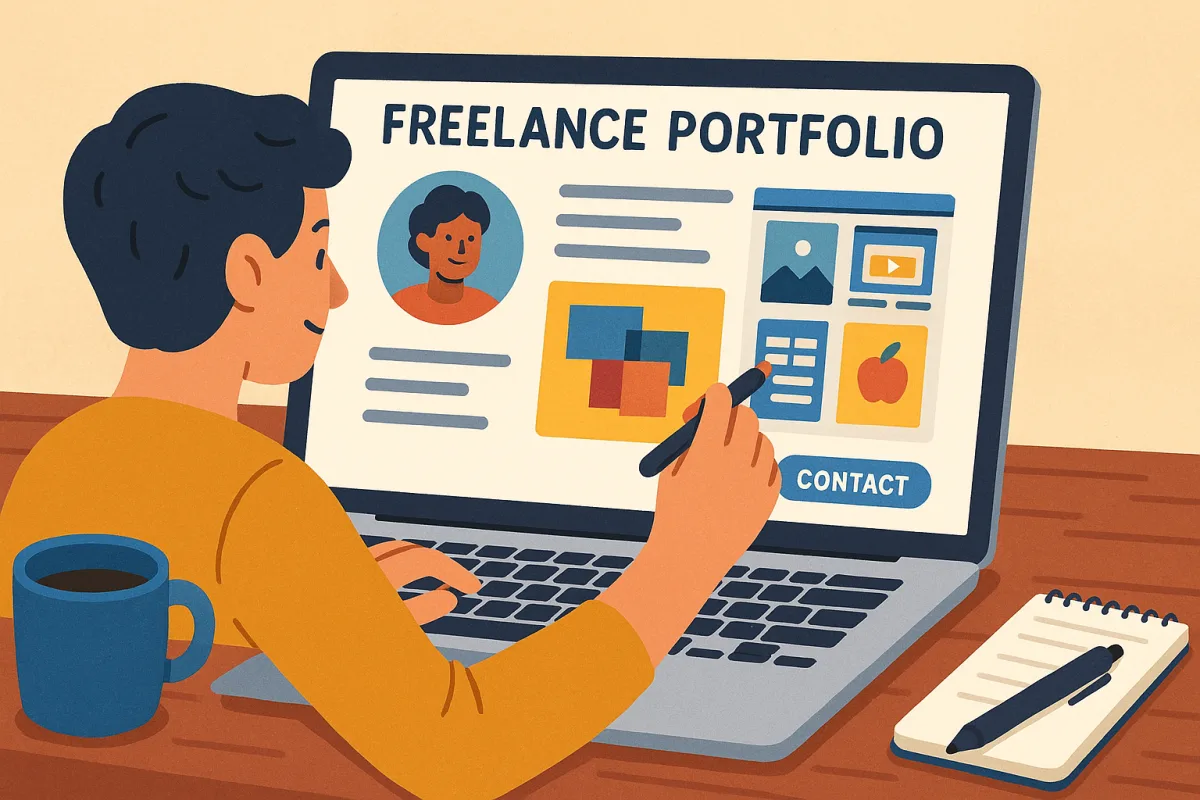
To build a freelance portfolio with no experience, start by showcasing your skills through personal projects or volunteer work. Create a few pieces that demonstrate your abilities, whether it’s writing, graphic design, or web development. These projects do not need to be for paying clients; they should simply reflect your best work and what you aspire to do for future clients.
Next, consider offering your services for free or at a discounted rate to friends, family, or small businesses. This will provide you with real-world experience and allow you to gather testimonials that can enhance your portfolio. Each completed project is an opportunity to refine your skills and build your credibility.
Moreover, leverage online platforms to host your portfolio. Websites like Behance, Dribbble, or even a simple personal website can serve as an effective showcase. Make sure to include a brief description of each project, highlighting your role and the skills you utilized.
Introduction to Building a Freelance Portfolio
In today's competitive freelance market, having a strong portfolio is essential for attracting potential clients. A well-crafted portfolio showcases your skills, creativity, and professionalism, setting you apart from the competition. It acts as a visual resume, giving clients a glimpse into your previous work and your capabilities.
To create an effective portfolio, consider including the following elements:
- Sample Projects: Choose 3-5 of your best works that highlight your skills and the range of services you can provide.
- Case Studies: Detail the process behind your projects, including challenges faced and how you overcame them.
- Client Testimonials: Positive feedback from clients can significantly boost your credibility.
- Contact Information: Make it easy for potential clients to reach you.
Showcasing Your Skills
When showcasing your skills, focus on quality over quantity. Instead of filling your portfolio with every piece you’ve ever created, select works that demonstrate your strongest abilities. For example, if you're a graphic designer, include a logo, a full branding project, and a digital advertisement. This variety will show potential clients the breadth of your expertise while ensuring they see the quality of your work.
Steps to Build a Freelance Portfolio with No Experience
Building a freelance portfolio when you have no prior experience can seem daunting, but it’s entirely achievable. Here are the steps you can take to create a compelling portfolio that showcases your skills and attracts potential clients.
Identify Your Skills and Strengths
Start by listing out the skills you possess or are interested in developing. This could include writing, graphic design, web development, social media management, or data analysis. Narrow down your focus to 2-3 core areas where you feel most confident. This will help you target your portfolio effectively.
- Write down at least 5 skills you have.
- Choose 1 or 2 that you want to improve or showcase.
- Research successful freelancers in those fields for inspiration.
Once you’ve identified your strengths, create sample projects that demonstrate your capabilities. These projects don’t have to be real client work; they can be hypothetical projects or personal endeavors. For instance, if you’re a budding graphic designer, create a series of logos or a branding package for a fictitious company.
Lastly, leverage online courses and tutorials to build relevant skills. Websites like Coursera, Udemy, or Skillshare offer affordable courses. Completing these courses not only enhances your abilities but also provides you with certificates that you can display in your portfolio.
Utilizing Volunteer Work and Internships
Gaining real-world experience can feel daunting when you're starting your freelance career. However, engaging in volunteer work and internships can not only bolster your resume but also provide you with valuable insights into your chosen field. For instance, dedicating just a few hours a week to a local non-profit can help you develop skills that are transferable to your freelance projects.
Finding the Right Internships
When looking for internships, focus on those that align with your skill set and career goals. Websites like … can help you discover opportunities tailored to your interests. Here are steps to ensure you find the right fit:
- Identify your strengths and interests.
- Search for internships in industries that excite you.
- Network with professionals in your desired field for recommendations.
- Apply to multiple positions to increase your chances.
Once you secure an internship, treat it as a chance to showcase your skills. Document your work and the results achieved. This not only enhances your portfolio but also builds your confidence in presenting your capabilities to future clients.
By leveraging volunteer opportunities and internships effectively, you can create a substantial body of work that demonstrates your skills and commitment, paving the way for a successful freelance career.
Leveraging Personal Projects
Creating personal projects is one of the most effective ways to build a freelance portfolio, especially when you have no professional experience to showcase. Start by identifying interests that align with your desired freelance field. For instance, if you want to be a graphic designer, consider designing a series of posters or a personal branding package. Aim for at least three separate projects that demonstrate your skills and creativity.
Documenting Your Process
Documenting the development of your personal projects not only provides insight into your creative process but also highlights your problem-solving abilities. Keep a blog or a social media account where you can share progress updates, challenges you faced, and how you overcame them. This transparency can impress potential clients and employers. For example, if you’re a web developer, you might create a personal website and write about the coding techniques you used to build it.
- Choose a project that excites you and reflects your style.
- Break down the project into manageable steps, such as research, design, and execution.
- Set deadlines for each phase to maintain momentum.
- Share your completed project online, using platforms like Behance or GitHub.
By filling gaps in your portfolio with personal projects, you can demonstrate your abilities and enthusiasm. Aim to include at least one or two personal projects that directly relate to the services you plan to offer as a freelancer. This approach not only enriches your portfolio but also sets you apart in a competitive market.
Choosing the Right Platform for Your Portfolio
When it comes to showcasing your work as a freelancer, selecting the appropriate platform is crucial for visibility and professionalism. Two popular options are Behance and Dribbble, both of which cater specifically to creatives. Behance allows you to display a wide range of projects and connect with other professionals, while Dribbble focuses more on design work and community feedback.
Pros and Cons of Building Your Own Website
Creating your own website offers complete control over the design and content, allowing you to tailor your portfolio to your unique style. However, it requires more effort and technical knowledge. Here are some pros and cons to consider:
- Pros: Full customization, no restrictions on content, potential for SEO optimization.
- Cons: Requires hosting fees, ongoing maintenance, and technical skills.
Using platforms like Behance and Dribbble can also be advantageous for networking, but they may have limitations regarding customization. If you choose to go this route, ensure to optimize your portfolio for search visibility. Utilize keywords related to your niche in your project descriptions, and engage with the community to increase your profile's reach.
In summary, weigh the pros and cons of each option to determine which platform aligns best with your goals and skill level.
Networking and Gaining Exposure
Building a freelance portfolio without prior experience can feel daunting, but networking and gaining exposure are crucial steps in the process. One of the most effective ways to connect with other freelancers and potential clients is by joining freelance communities. Platforms like Upwork, Freelancer, and Behance not only provide job opportunities but also allow you to interact with other freelancers. Engage in forums, ask questions, and share your progress to build relationships and gain insights.
Utilizing Social Media
Social media is a powerful tool for showcasing your work and attracting potential clients. Start by creating professional profiles on platforms like LinkedIn, Instagram, and Twitter. Share your projects, write about your experiences, and post valuable content related to your niche. Aim for at least three posts per week to maintain visibility. Utilize relevant hashtags to reach a broader audience; for example, using #FreelanceGraphicDesigner can help you connect with others in your field.
- Join at least two online communities related to your field.
- Attend one local or virtual networking event each month.
- Post regularly on social media, at least three times a week.
Additionally, attending industry events and workshops can significantly enhance your networking efforts. These gatherings provide opportunities to meet potential clients and collaborators face-to-face. Research events in your area or consider virtual workshops to expand your reach. Engaging with others at these events can lead to valuable connections and insights that can help you grow your freelance career.
Continuous Improvement and Updates
Building a freelance portfolio is not a one-time task; it requires continuous improvement and updates to stay relevant and effective. Regularly revisiting your portfolio allows you to showcase your best work and reflect your current skills and interests. Aim to update your portfolio at least every six months to keep it fresh and engaging.
Seeking Feedback from Peers and Mentors
Receiving constructive feedback is crucial for enhancing the quality of your portfolio. Here are some steps to effectively gather input:
- Share your portfolio with at least three trusted peers or mentors.
- Ask specific questions about clarity, design, and content.
- Incorporate their suggestions into your portfolio, focusing on areas that may need improvement.
For example, if a mentor suggests adding a project description to clarify your role, implement this feedback to improve understanding and engagement.
Additionally, staying current with industry trends is vital. Follow relevant blogs, attend webinars, or join online communities to learn about new tools and techniques. Incorporating trending styles or methodologies can make your portfolio more appealing to potential clients. For instance, if you notice that minimalistic design is gaining traction, consider updating your portfolio's layout accordingly.