







9 min read Hiring a Freelance Logo Designer: A Complete Guide
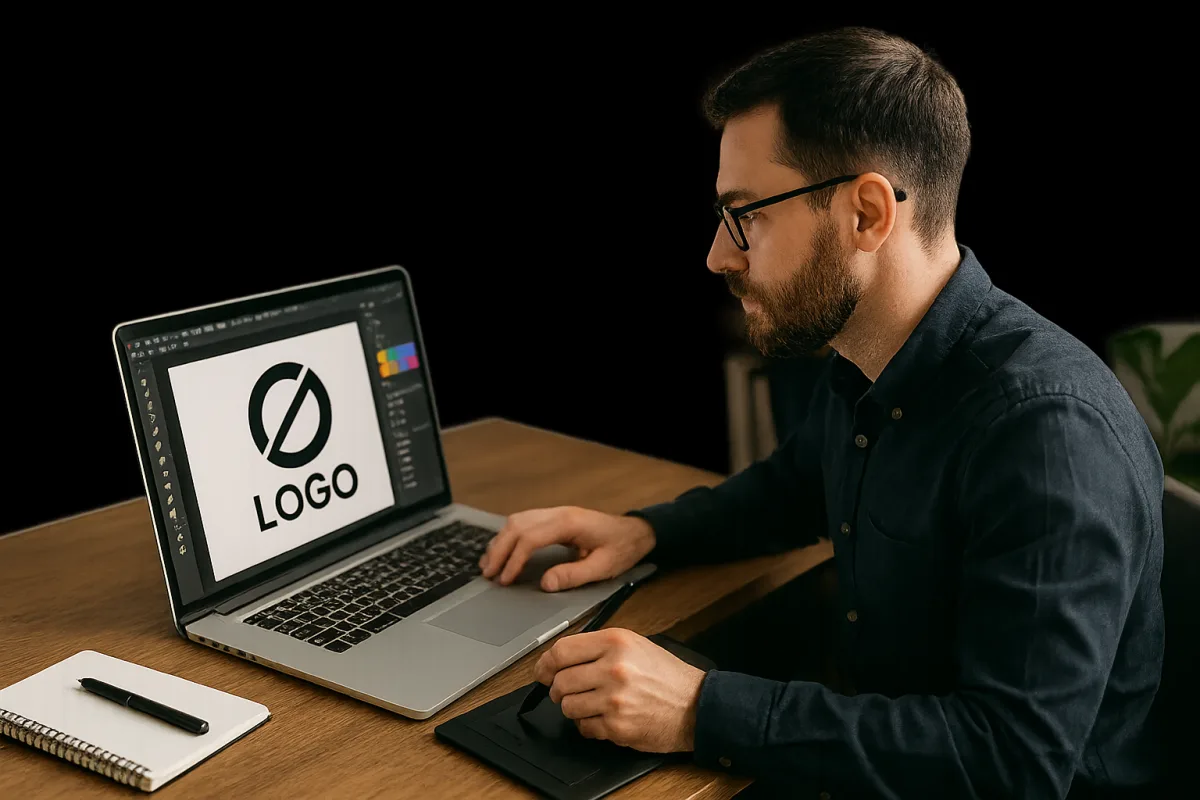
Hiring a freelance logo designer can be a game-changer for your brand. A well-crafted logo is essential for establishing your identity in a competitive market, and finding the right designer can make all the difference. Start by defining your brand’s vision, mission, and values. This will help you communicate effectively with potential designers and ensure that their creative direction aligns with your goals.
Next, set a budget for your logo design project. Freelance designers often have varying rates based on their experience and the complexity of the project. Be transparent about your budget when reaching out to designers to attract those who can deliver within your financial constraints.
Once you have a clear vision and budget, begin your search. Utilize platforms like Behance, Dribbble, or Fiverr to browse portfolios and find designers whose work resonates with you. Don't forget to read reviews and ask for references to gauge their professionalism and reliability.
Understanding the Importance of a Good Logo
A logo is more than just a visual symbol; it is the face of your brand and plays a crucial role in creating first impressions. Studies show that consumers form an opinion about a brand within the first 10 seconds of seeing its logo. This initial perception can significantly influence their purchasing decisions. A well-crafted logo can communicate your brand's values and personality, making it essential for establishing a strong presence in the market.
Moreover, a good logo helps in building brand recognition and loyalty. According to research, consistent branding across all platforms increases revenue by up to 23%. When customers can easily identify your logo, they are more likely to return for repeat purchases, fostering long-term loyalty. This is particularly important in competitive markets where differentiation can mean the difference between success and failure.
Separating from Competitors
A well-designed logo not only captures attention but also sets you apart from competitors. In a crowded marketplace, a unique logo can make your brand memorable. For instance, think of iconic logos like Nike's swoosh or Apple's apple. These logos are immediately recognizable and evoke strong associations with their respective brands. To achieve this, consider the following steps:
- Research your industry and identify key design elements.
- Evaluate competitors' logos to find gaps or opportunities.
- Focus on simplicity and versatility for various applications.
By investing time and resources in creating a distinctive logo, you can enhance your brand's visibility and appeal, ultimately leading to greater success.
Hiring a Freelance Logo Designer: Key Considerations
When it comes to hiring a freelance logo designer, there are several key considerations to ensure that you find the right match for your brand. A well-designed logo is crucial for your business identity, so taking the time to evaluate potential designers is essential.
Evaluate the Designer's Portfolio
One of the first steps in your selection process should be to review the designer's portfolio. Look for examples of their previous work that align with your brand's vision and style. Pay attention to:
- The variety of styles they can create
- Consistency in quality
- Relevance to your industry
For instance, if you are a tech startup, a designer with experience in modern and minimalist designs may be preferable.
Additionally, checking reviews and testimonials from previous clients can provide insights into the designer's reliability and professionalism. Websites like Upwork or Fiverr often feature client feedback that can help you gauge their work ethic and communication skills.
Lastly, be sure to discuss your budget and timeline upfront to avoid any surprises later on. Clearly outline your expectations and deadlines, which will help both you and the designer stay aligned throughout the project.
Where to Find Freelance Logo Designers
Finding the right freelance logo designer can significantly impact your brand's identity. There are several platforms and methods to locate talented designers who can bring your vision to life. One of the most effective strategies is to explore freelance marketplaces, which offer a wide range of options, styles, and price points.
Freelance Marketplaces
Platforms like XP Freelancer provide an extensive pool of designers. You can filter by experience, style, and budget, making it easier to find someone who matches your needs. To start, visit … and browse through the profiles. Look for designers with a strong portfolio, positive reviews, and relevant experience in your industry.
Additionally, consider utilizing social media platforms to reach out to designers directly. Websites like Instagram and Behance are excellent for discovering creative professionals showcasing their work. You can also leverage LinkedIn for a more professional approach, searching for designers with specific skills and experiences.
Lastly, don’t underestimate the power of referrals. Ask friends, colleagues, or business networks for recommendations. Often, personal connections can lead you to outstanding designers who may not be actively advertising their services online.
- Freelance Marketplaces: XP Freelancer, Upwork, Fiverr
- Social Media: Instagram, Behance, LinkedIn
- Referrals: Friends, colleagues, industry contacts
Communicating Your Vision
When hiring a freelance logo designer, effectively communicating your vision is crucial to achieving a result that truly reflects your brand identity. Start by preparing a detailed brief that outlines essential elements such as your brand's mission, values, and target audience. This document will serve as a foundation for the designer's understanding of your needs.
Sharing Inspiration
To clarify your style preferences, share examples of logos that resonate with you. This could include logos from competitors or entirely different industries that you find appealing. Highlight specific elements you like about each logo, such as color schemes, typography, or shapes. Providing a visual reference can significantly enhance the designer's grasp of your aesthetic.
Additionally, encourage open communication throughout the design process. Schedule regular check-ins to discuss progress and provide feedback. This collaborative approach not only helps refine concepts but also fosters a positive working relationship. Remember to be specific in your feedback; for instance, instead of saying "I don't like this color," you might say, "I prefer a more muted palette that reflects a professional tone."
Lastly, consider creating a list of must-haves for your logo, such as:
- Color preferences
- Font styles
- Imagery or symbols
- Scalability for various uses
By clearly communicating your vision, you empower your designer to create a logo that aligns perfectly with your brand identity.
Understanding Pricing Models
When hiring a freelance logo designer, it's essential to understand the different pricing models they may offer. The two most common models are fixed rates and hourly charges. A fixed rate means you agree on a price for the entire project upfront, which can provide clarity and help you stay within budget. For instance, a logo design may be quoted at $500, covering initial concepts and a set number of revisions.
On the other hand, hourly charges can vary based on the designer's experience and location. For example, a designer may charge anywhere from $30 to $150 per hour. If the project takes 10 hours to complete, your total will depend on the hourly rate agreed upon. It's crucial to ask how they track hours and what their billing process looks like.
Additional Costs and Payment Schedule
Additionally, inquire about any extra costs that might arise, such as charges for revisions beyond the initial agreement or costs for additional formats. Many designers include a certain number of revisions in their fixed price, but it’s common for them to charge $50 to $100 for each additional round of changes.
Understanding the payment schedule is equally important. Some designers require a deposit upfront, commonly 30-50%, with the balance due upon project completion. Discuss milestones to ensure both parties are clear on when payments will be made.
- Fixed rates provide budget predictability.
- Hourly rates offer flexibility but can lead to unexpected costs.
- Clarify revision costs and payment milestones upfront.
Reviewing and Providing Feedback
Once you receive the initial logo drafts from your freelance designer, the next crucial step is to review them thoroughly. It’s essential to have a structured approach to this process to ensure that you provide meaningful feedback that will lead to a successful final product. Start by setting clear criteria for evaluating the drafts. Consider aspects such as color scheme, typography, and overall alignment with your brand identity.
Constructive Feedback
Providing constructive feedback is key in guiding the designer's revisions. Instead of vague comments like "I don’t like this", aim for specifics. For example, if a color feels off, mention the exact shade that aligns better with your vision. Suggest alternatives or provide examples of logos you admire. This could involve a list of points such as:
- Color adjustments: Specify colors you prefer or dislike.
- Font styles: Reference particular types or characteristics you’d like to see.
- Layout changes: Describe how you envision the logo's structure.
Finally, remain open to your designer's suggestions. Their expertise can provide insights you may not have considered. Engaging in a collaborative dialogue can lead to innovative solutions that enhance the logo's impact and effectiveness.
Finalizing Your Logo Design
Once you have collaborated with your freelance logo designer and finalized the design, it's crucial to ensure that you receive all necessary files and understand the rights associated with your new logo. This step solidifies your ownership and prepares you for future branding needs.
Essential File Formats
When finalizing the logo design, request various file formats to ensure versatility across different platforms and media. Here are the key file types to ask for:
- Vector Files: Such as .AI or .EPS, which allow for scaling without losing quality.
- Raster Files: Including .PNG and .JPEG for web and print use, ensuring you have both high-resolution and low-resolution versions.
- PDF Files: For easy sharing and printing, maintaining the design integrity.
In total, aim to receive at least five different file types to cover all potential applications.
Additionally, discuss ownership rights and usage permissions. It's essential to clarify that you will have full ownership of the logo and can use it commercially without restrictions. This ensures that your brand identity remains uniquely yours.
Finally, consider how the logo will fit into your broader branding strategy. Discuss with your designer ways to maintain consistency across various materials, such as business cards, websites, and social media profiles, to enhance brand recognition.